How To Build A Beautiful Plant Bed In Minutes Or Less
Title: How to Build a Beautiful Plant Bed in Minutes or Less
Introduction:
Do you want to grow your own vegetables and herbs, but don't have a lot of space? Or maybe you just want to add a touch of beauty to your yard. If so, a raised plant bed is a great option.
Raised plant beds are easy to build, and they can be made from a variety of materials. In this blog post, I will show you how to build a beautiful plant bed in minutes or less.
Main Content:
Step 1: Choose your materials.
The first step is to choose your materials. You can use a variety of materials to build a raised plant bed, including wood, concrete blocks, and bricks.
If you are using wood, I recommend using pressure-treated lumber. This will help to protect the wood from rot and decay.
If you are using concrete blocks or bricks, you will need to mortar them together.
Step 2: Measure and cut your materials.
Once you have chosen your materials, you need to measure and cut them to size. The size of your plant bed will depend on the amount of space you have available and the type of plants you want to grow.
Step 3: Assemble the frame.
Once your materials are cut to size, you can assemble the frame of the plant bed. If you are using wood, you can use nails or screws to secure the pieces together.
If you are using concrete blocks or bricks, you will need to mortar them together.
Step 4: Fill the bed with soil.
Once the frame is assembled, you can fill the bed with soil. I recommend using a high-quality potting soil that is specifically designed for raised beds.
Step 5: Plant your vegetables or herbs.
Once the bed is filled with soil, you can plant your vegetables or herbs. Be sure to water your plants regularly, and fertilize them as needed.
Conclusion:
Building a raised plant bed is a great way to add beauty and functionality to your yard. It is also a relatively easy project that can be completed in minutes or less.
I hope this blog post has inspired you to build your own raised plant bed. With a little planning and effort, you can have a beautiful and productive garden in no time.
visit Garden Wiki for more information.
FAQ of plant bed
- What are the benefits of using a plant bed?
There are many benefits to using a plant bed, including:
* Improved drainage: Raised beds drain more easily than traditional in-ground gardens, which can help prevent root rot and other plant diseases.
* Better soil quality: The soil in a raised bed can be amended with compost and other organic matter to improve its fertility and drainage.
* Easier access: Raised beds are easier to reach than traditional gardens, which can be helpful for people with limited mobility.
* Increased yields: Plants in raised beds often have larger yields than plants in traditional gardens.
* Longer growing season: Raised beds warm up earlier in the spring and cool down later in the fall, which can extend the growing season.
- How do I build a plant bed?
Building a plant bed is a relatively simple project that can be completed in a few hours. Here are the basic steps involved:
1. Choose a location for your plant bed. The location should be sunny and have well-drained soil.
2. Measure and mark the dimensions of your plant bed.
3. Dig out the soil to the desired depth.
4. Add a layer of compost or other organic matter to the bottom of the bed.
5. Frame the bed with wood, bricks, or other materials.
6. Fill the bed with soil.
- What kind of soil should I use in a plant bed?
The best soil for a plant bed is a loamy soil that is rich in organic matter. Loamy soil is well-drained but still retains moisture, which is ideal for plant growth. You can improve the quality of your soil by adding compost or other organic matter.
- How often should I water a plant bed?
The frequency of watering will depend on the climate and the type of plants you are growing. In general, you should water your plant bed deeply once a week. However, you may need to water more often during hot, dry weather.
- How do I prevent weeds in a plant bed?
Weeds can be a problem in any garden, but they can be especially problematic in plant beds. Here are some tips for preventing weeds in a plant bed:
* Mulch the bed with a layer of organic material, such as bark chips or straw.
* Hand-weed the bed regularly.
* Use a pre-emergent herbicide to prevent weeds from germinating.
Image of plant bed
- Raised Garden Bed
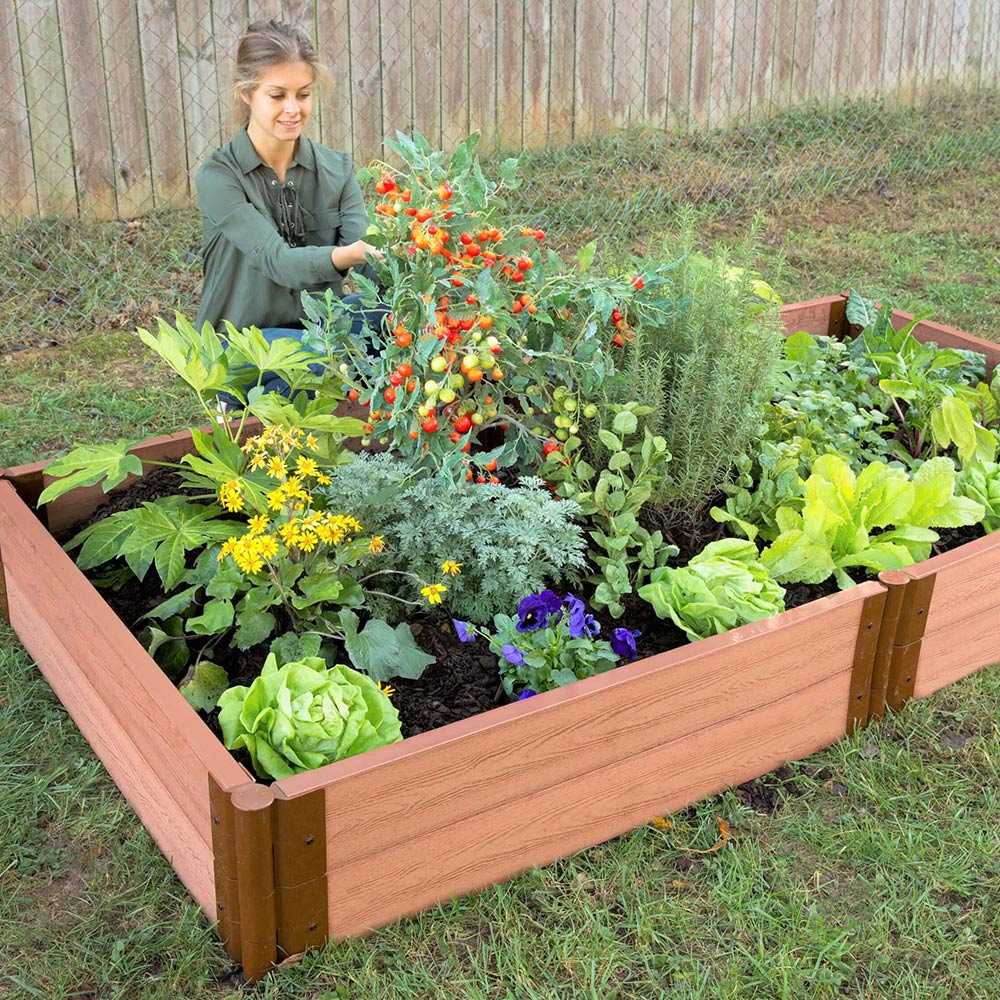
This type of plant bed is raised above the ground, which makes it easier to reach and maintain. It can also be used to create a more defined space in your garden.
- Inground Plant Bed
This type of plant bed is built directly into the ground. It is a more permanent option, but it can be more difficult to maintain.
- Border Plant Bed
This type of plant bed is used to define the edges of a garden. It can be made from a variety of materials, such as bricks, stones, or wood.
- Container Plant Bed
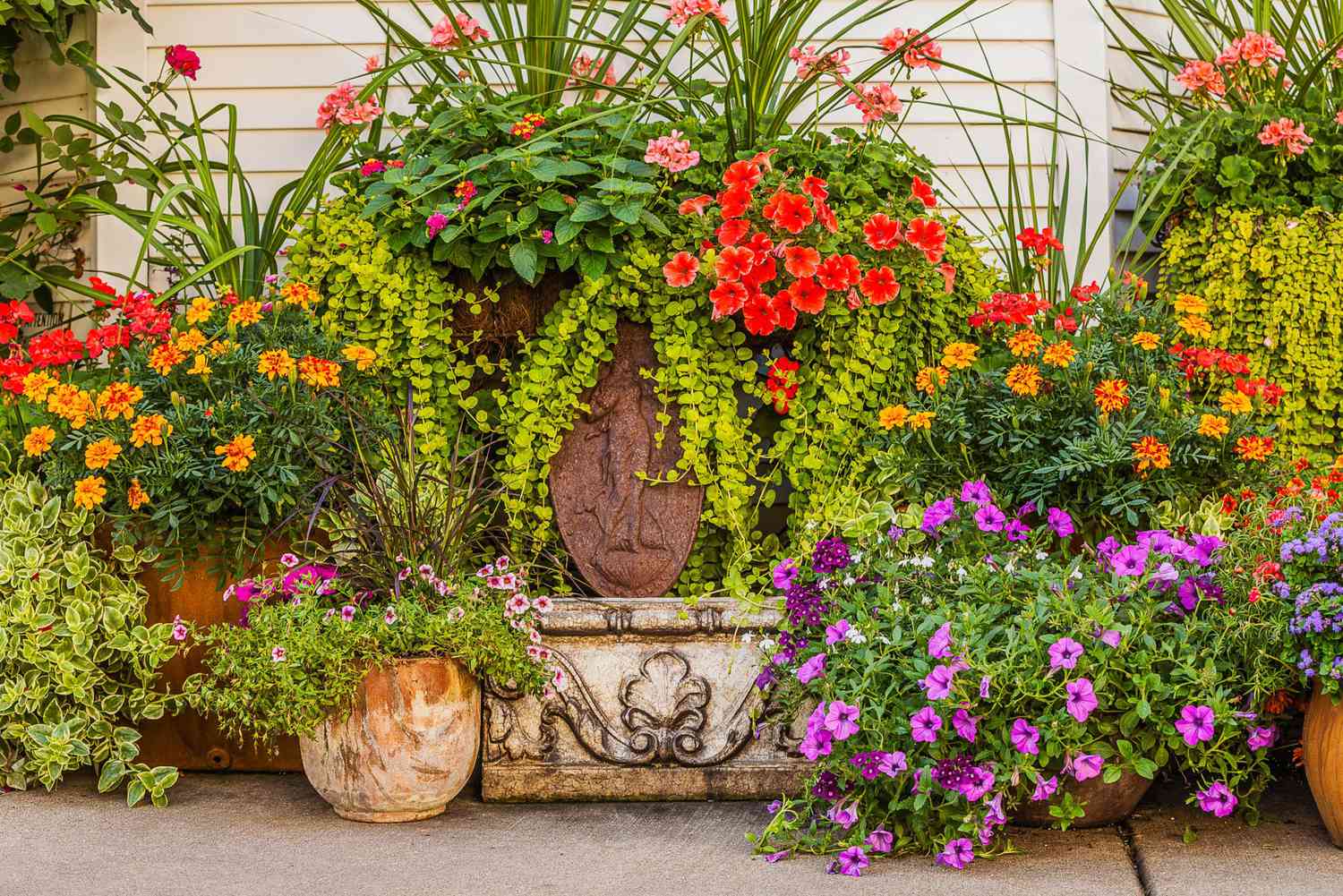
This type of plant bed is planted in a container, such as a pot or planter. It is a portable option, which makes it easy to move around your garden.
- Vertical Plant Bed
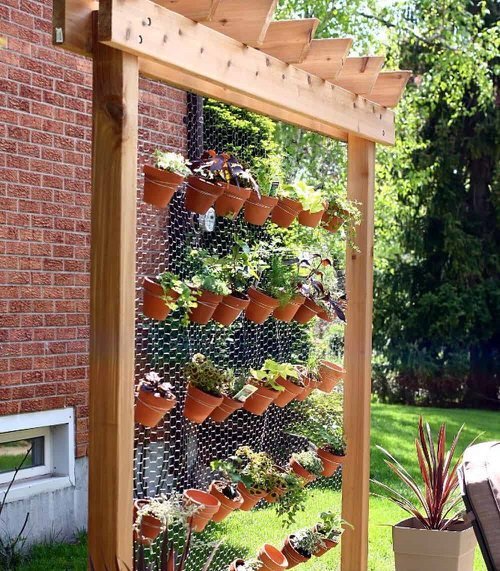
This type of plant bed is planted on a vertical surface, such as a wall or fence. It is a space-saving option, which is ideal for small gardens.
- Rock Garden
This type of plant bed is made up of rocks and other hard materials. It is a low-maintenance option, which is ideal for busy gardeners.
- Water Garden
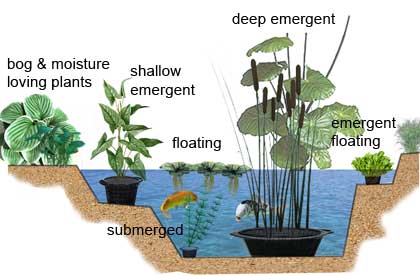
This type of plant bed is filled with water. It is home to a variety of plants and animals, which makes it a beautiful and peaceful addition to any garden.
- Herb Garden
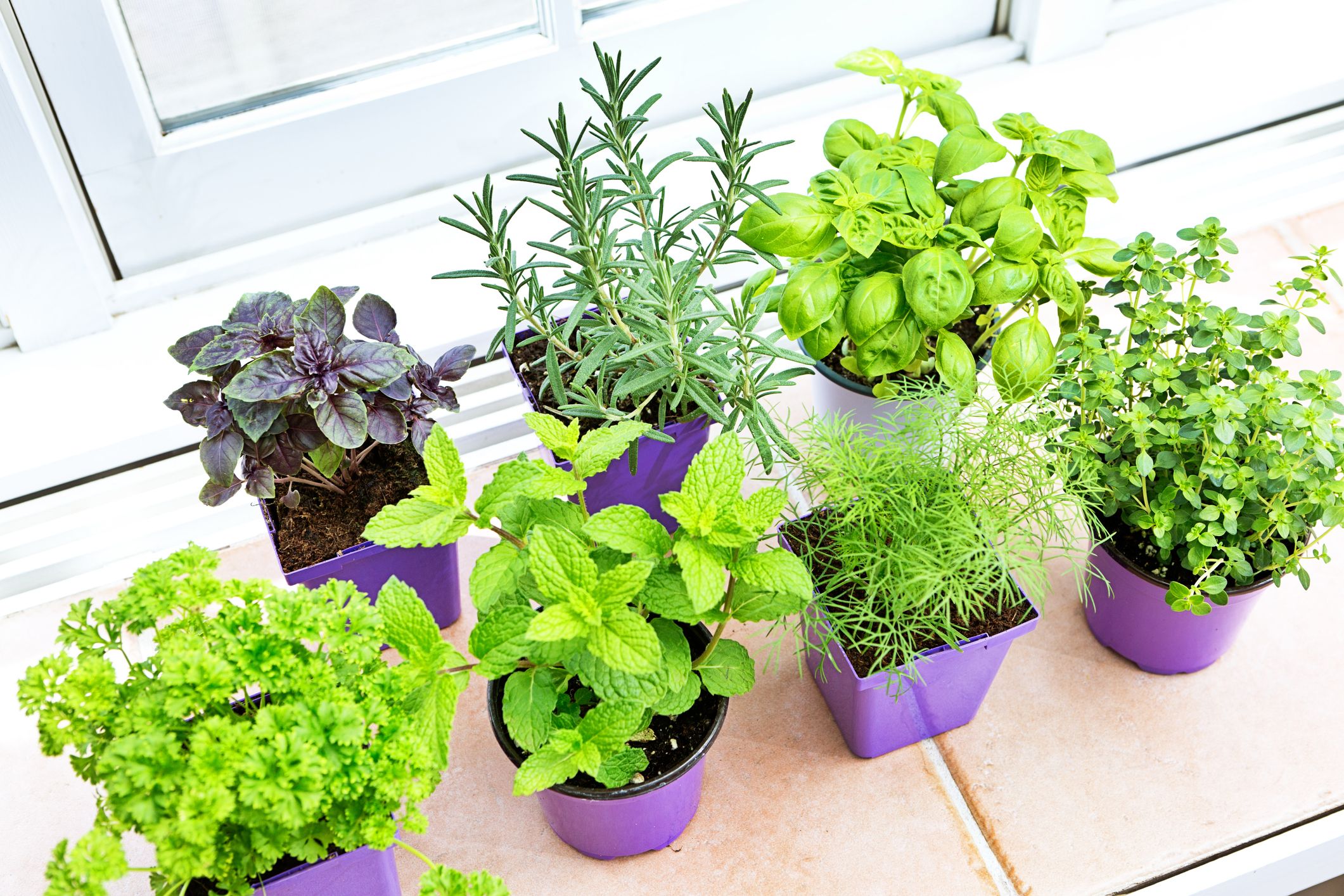
This type of plant bed is planted with herbs. It is a great way to grow your own fresh herbs for cooking.
- Flower Garden
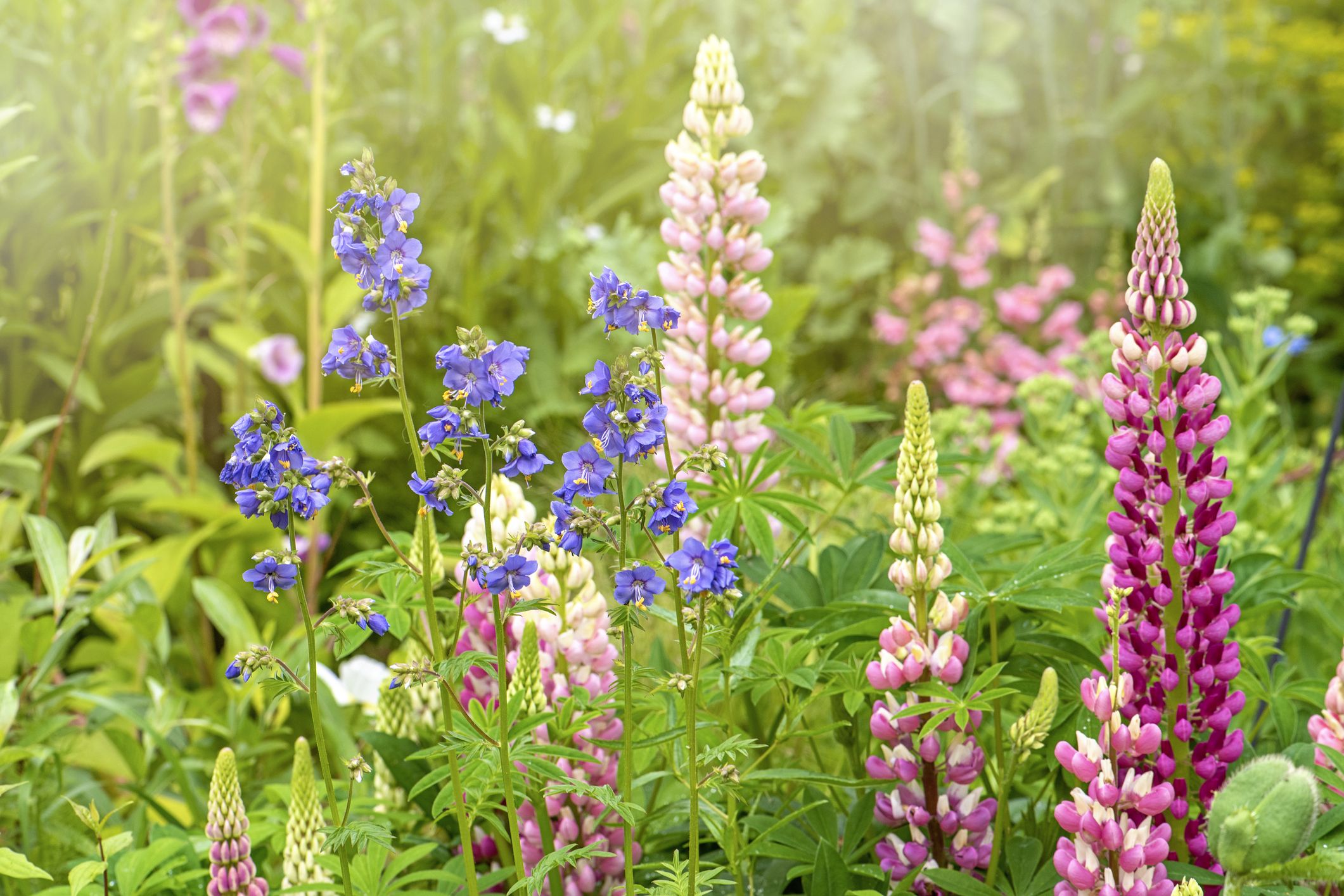
This type of plant bed is planted with flowers. It is a beautiful way to add color and fragrance to your garden.
- Succulent Garden

This type of plant bed is planted with succulents. They are low-maintenance plants that are perfect for hot, dry climates.

Post a Comment for "How To Build A Beautiful Plant Bed In Minutes Or Less"