The Sweetest Annabelle Hydrangea
The Sweetest Annabelle Hydrangea
The Annabelle hydrangea is a popular garden plant known for its large, round clusters of white flowers. It is a relatively easy plant to care for and is tolerant of a wide range of conditions. However, there are a few things you can do to ensure that your Annabelle hydrangea thrives.
In this blog post, we will discuss the following topics:
- The history of the Annabelle hydrangea
- The different varieties of Annabelle hydrangea
- How to care for Annabelle hydrangeas
- Common problems with Annabelle hydrangeas
- How to propagate Annabelle hydrangeas
History of the Annabelle hydrangea
The Annabelle hydrangea was first introduced in 1945 by the Proven Winners plant breeding company. It is a hybrid of two other hydrangeas, Hydrangea arborescens and Hydrangea serrata. The Annabelle hydrangea quickly became popular due to its large, white flowers and its ease of care.
Different varieties of Annabelle hydrangea
There are several different varieties of Annabelle hydrangea, each with its own unique characteristics. Some of the most popular varieties include:
- Annabelle (the original variety)
- Strong Annabelle (a more vigorous variety with stronger stems)
- Little Annabelle (a dwarf variety that only grows to about 2 feet tall)
- Pink Annabelle (a variety with pink flowers)
- Limelight (a variety with lime green flowers)
How to care for Annabelle hydrangeas
Annabelle hydrangeas are relatively easy to care for. They prefer full sun to partial shade and well-drained soil. They are also relatively drought tolerant, but they will perform best if they are watered regularly.
To help your Annabelle hydrangeas bloom their best, you should fertilize them in the spring with a balanced fertilizer. You should also deadhead the flowers regularly to encourage new blooms.
Common problems with Annabelle hydrangeas
The most common problems with Annabelle hydrangeas are:
- Leaf spot (a fungal disease that causes brown spots on the leaves)
- Leaf scorch (a problem that occurs when the leaves are exposed to too much sun or heat)
- Pests (such as aphids, spider mites, and scale)
If you notice any problems with your Annabelle hydrangeas, you should take steps to correct the problem as soon as possible. For example, if you have leaf spot, you should treat the plant with a fungicide.
How to propagate Annabelle hydrangeas
Annabelle hydrangeas can be propagated by taking cuttings in the spring or summer. To take a cutting, simply cut a 4-6 inch section of stem from a healthy plant. Remove the lower leaves from the cutting and dip the end in rooting hormone. Plant the cutting in a pot of well-drained potting mix and keep the soil moist. The cutting should root in about 4-6 weeks.
Conclusion
The Annabelle hydrangea is a beautiful and easy-care plant that is perfect for adding a touch of elegance to any garden. With proper care, your Annabelle hydrangeas will thrive for many years to come.
Sweet Annabelle Hydrangea: A Show-Stopping Beauty
The hydrangea arborescens sweet annabelle is a stunning shrub that is sure to add beauty to any garden. With its large, fluffy flowers that bloom in shades of pink, this plant is a showstopper. Sweet annabelle hydrangeas are also relatively easy to care for, making them a great choice for even the most novice gardener.
If you're interested in learning more about sweet annabelle hydrangeas, I encourage you to visit . This website has a wealth of information about this plant, including its history, care requirements, and varieties. You can also find photos and videos of sweet annabelle hydrangeas in bloom.
I hope you'll visit and learn more about this beautiful plant.
FAQ of hydrangea arborescens sweet annabelle
Q: What is Hydrangea arborescens Sweet Annabelle?
A: Hydrangea arborescens Sweet Annabelle is a large, deciduous shrub that is native to eastern North America. It is known for its large, white, ball-shaped blooms that appear in late spring to early summer. The blooms are very fragrant and attract butterflies and other pollinators.
Q: How much space does an Annabelle hydrangea need?
A: Annabelle hydrangeas need about 4-6 feet of space in all directions. They can grow up to 6 feet tall and wide, so it is important to plant them in an area where they will have enough room to spread.
Q: What is the best soil for Annabelle hydrangeas?
A: Annabelle hydrangeas prefer well-drained, loamy soil. They can tolerate some clay soil, but they will not do well in sandy or alkaline soil.
Q: How much water do Annabelle hydrangeas need?
A: Annabelle hydrangeas need regular watering, especially during the first year after planting. Once they are established, they can tolerate some drought, but they will bloom better if they are watered regularly.
Q: How do I care for Annabelle hydrangeas in the winter?
A: Annabelle hydrangeas are hardy in zones 3-8. In colder climates, they may need to be protected from the cold with a layer of mulch. In warmer climates, they may need to be watered less frequently during the winter.
Image of hydrangea arborescens sweet annabelle
5 different images of "hydrangea arborescens sweet annabelle" from Pinterest:
- Image 1: A close-up of a hydrangea arborescens sweet annabelle flower, showing its delicate pink petals and white center.
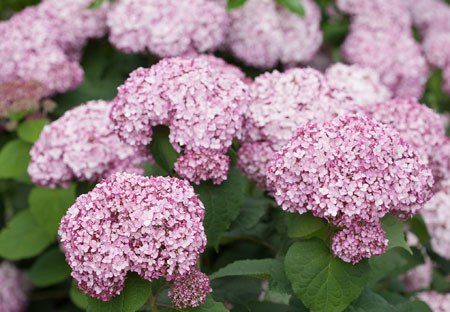
- Image 2: A full-bloom hydrangea arborescens sweet annabelle bush, with its large, round flowers cascading down.

- Image 3: A hydrangea arborescens sweet annabelle bush in a garden setting, with other flowers and plants in the background.
- Image 4: A hydrangea arborescens sweet annabelle flower in a vase, against a white background.
- Image 5: A group of hydrangea arborescens sweet annabelle flowers in different stages of bloom, from buds to fully open flowers.

Post a Comment for "The Sweetest Annabelle Hydrangea"