Stunning Companion Plants For Pincushion Flowers
Stunning Companion Plants for Pincushion Flowers
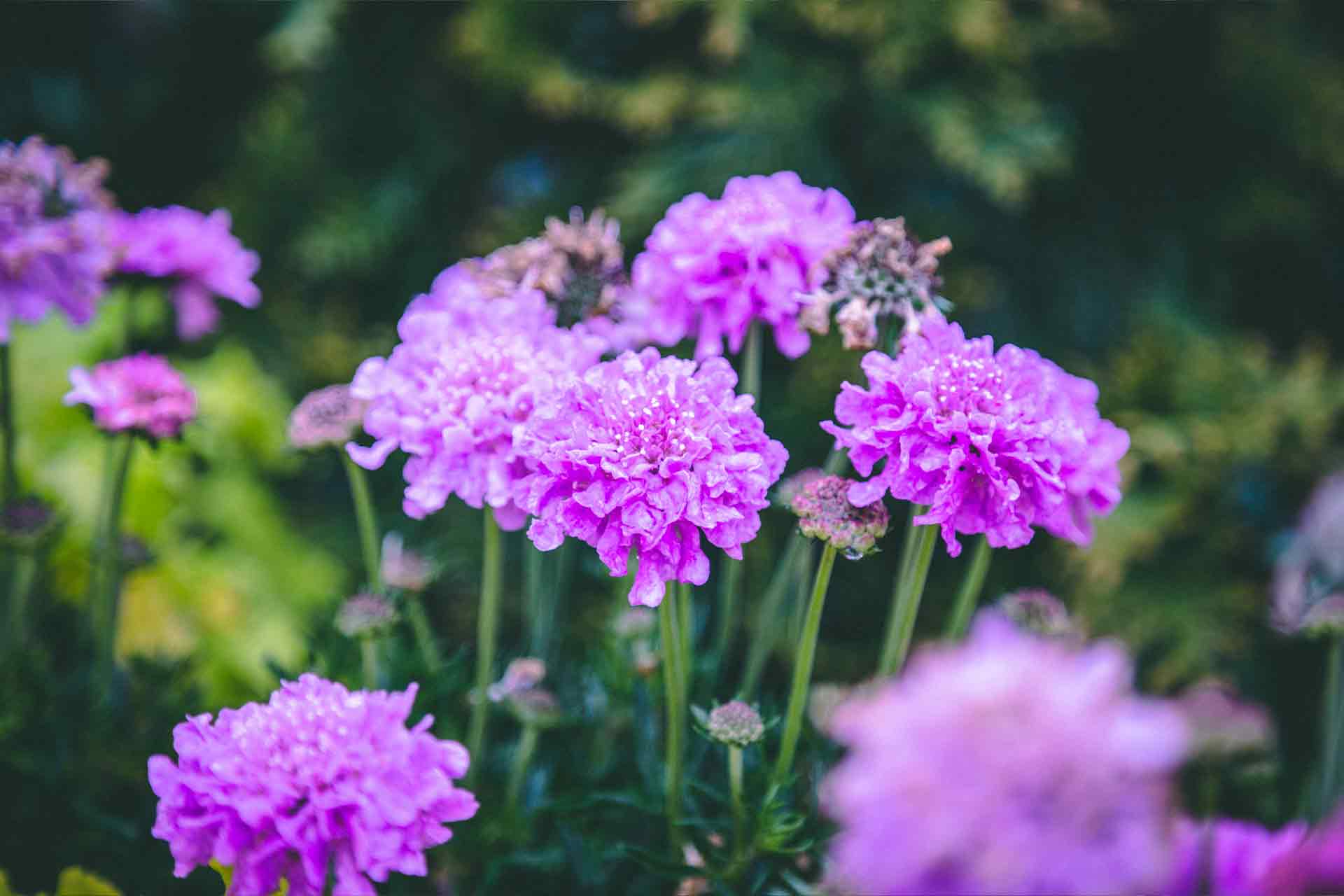
Pincushion flowers are a beautiful addition to any garden, but they can be even more stunning when paired with the right companion plants. Here are a few of our favorites:
- Phlox: Phlox is a classic companion plant for pincushion flowers, and for good reason. The two plants complement each other beautifully, with the pincushion flowers' fluffy heads providing a striking contrast to the phlox's spikes of blooms. Phlox also helps to extend the pincushion flowers' bloom time, as it blooms later in the season.

- Veronica: Veronica is another great choice for companion plants for pincushion flowers. The two plants have similar growing requirements, and they both thrive in full sun. Veronica also comes in a wide range of colors, so you can easily find one that will complement your pincushion flowers.
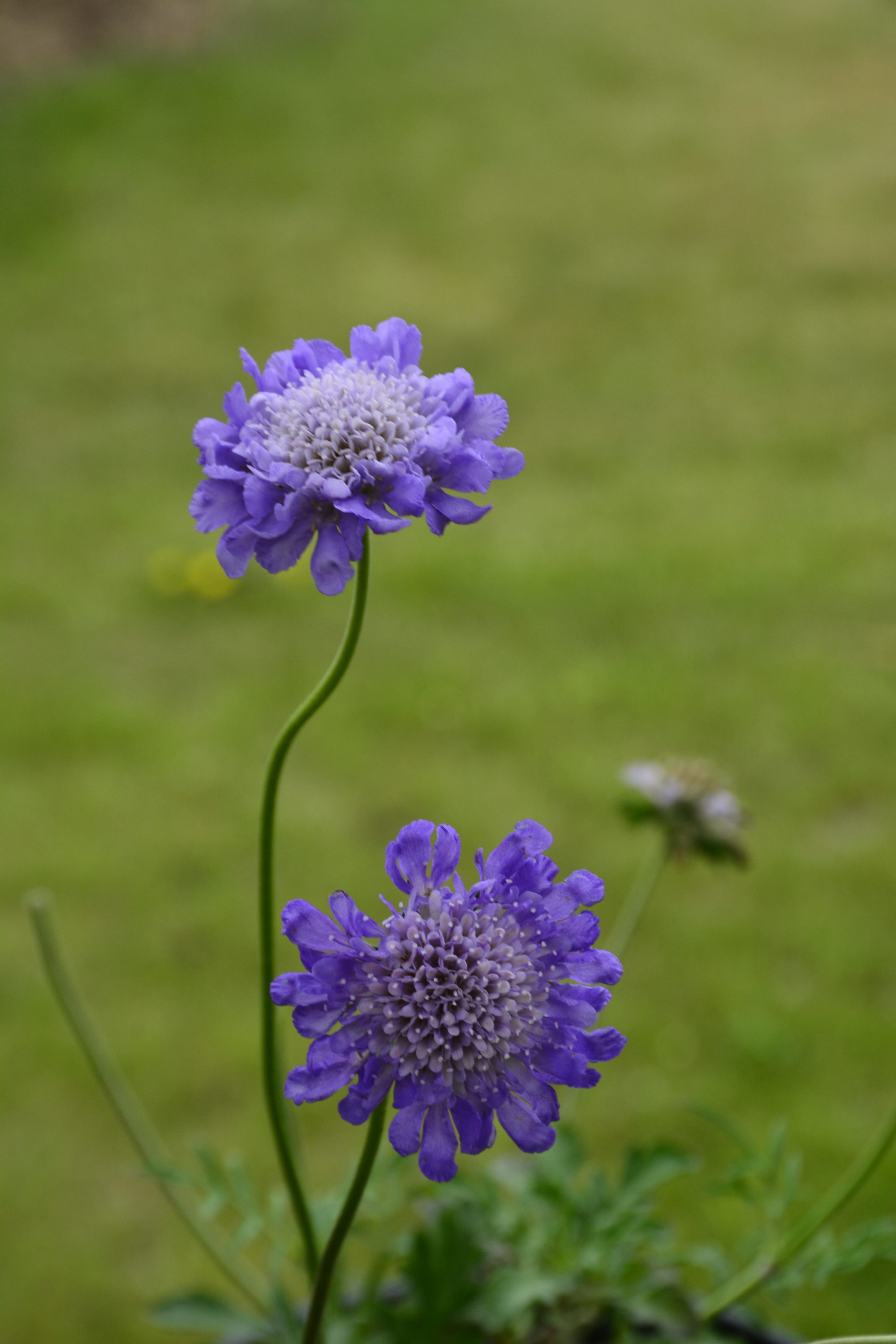
- Alyssum: Alyssum is a low-growing groundcover that is perfect for filling in the spaces between pincushion flowers. It blooms in a variety of colors, including white, pink, and purple, and it attracts butterflies and other pollinators.
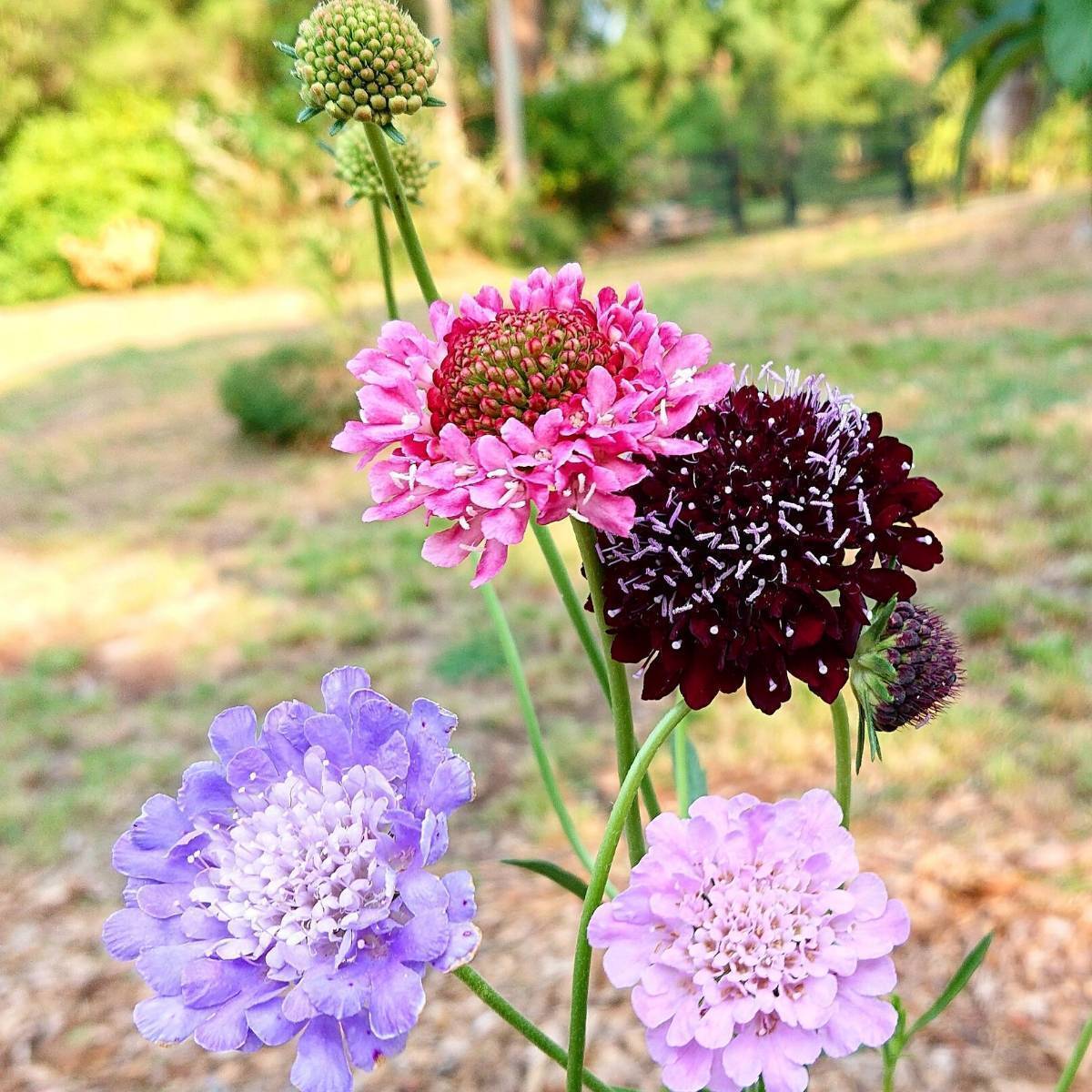
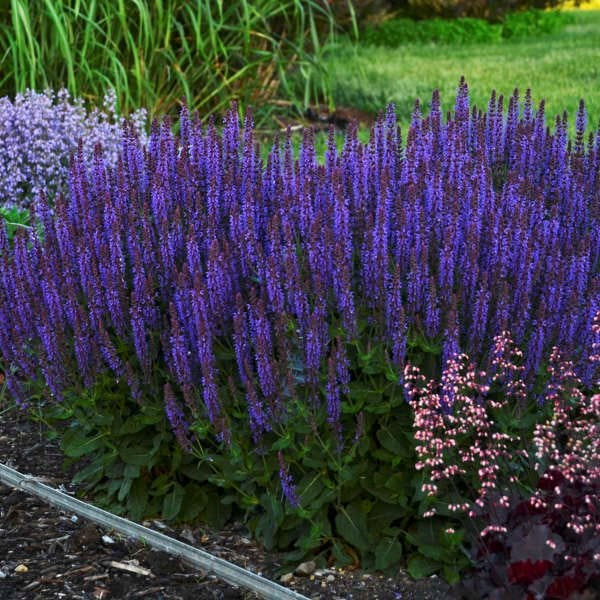
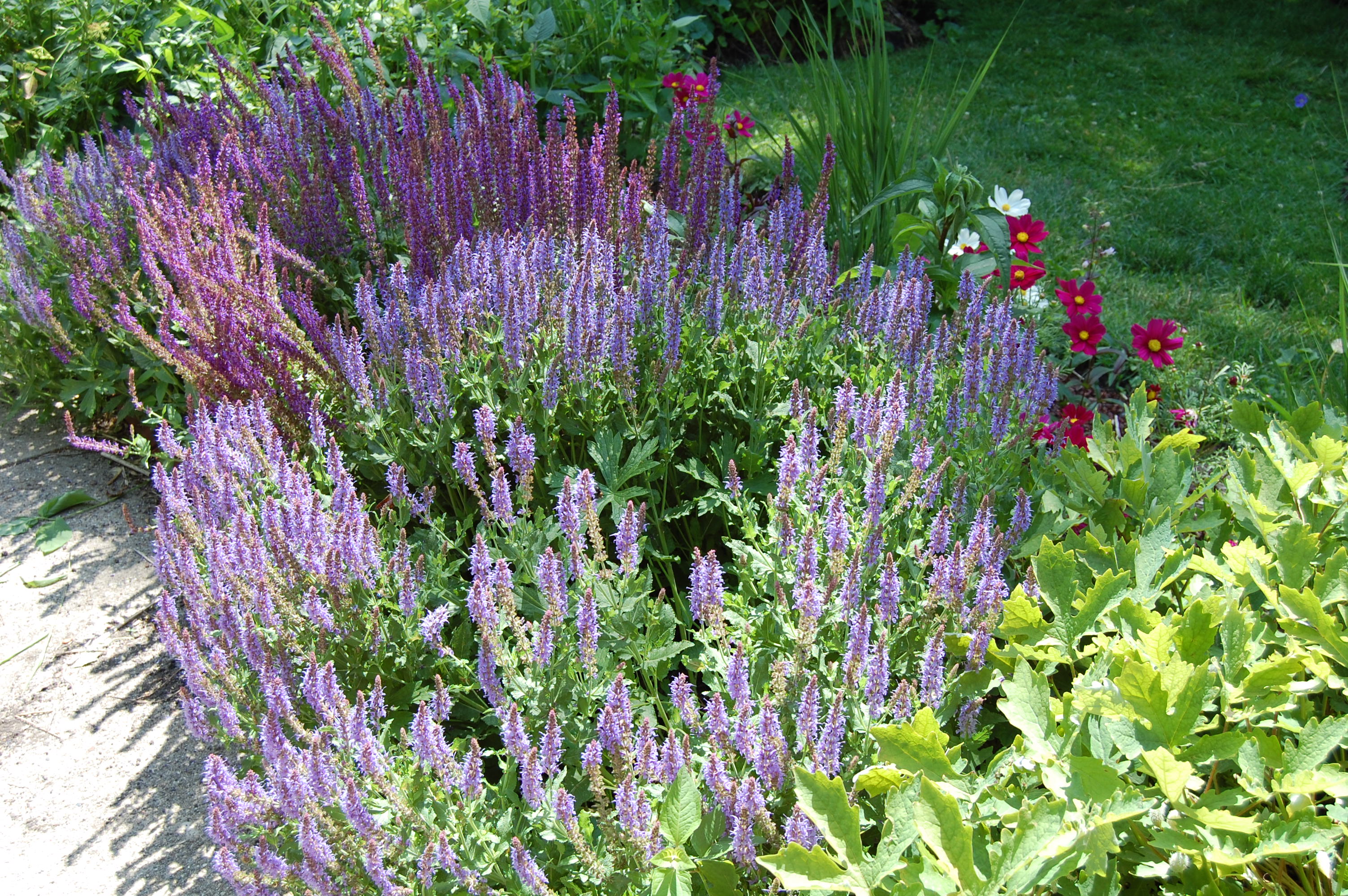
- Salvia: Salvia is a versatile plant that can be used in a variety of ways, including as a companion plant for pincushion flowers. There are many different varieties of salvia, so you can find one that will fit your garden's needs. Some popular choices for companion plants for pincushion flowers include salvia farinacea, salvia nemorosa, and salvia greggii.

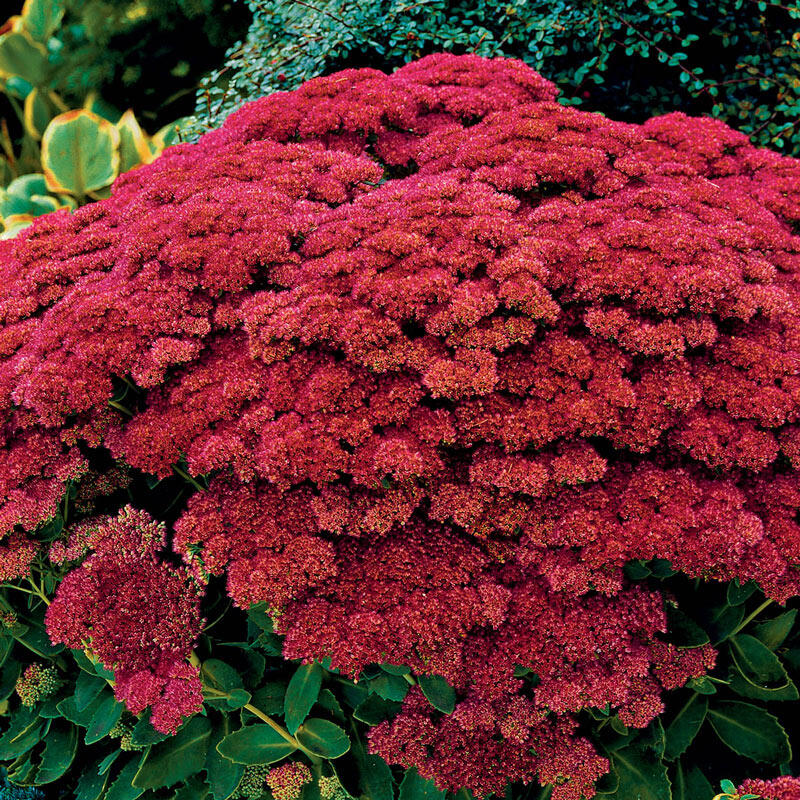
- Sedum: Sedum is a succulent plant that is drought-tolerant and easy to care for. It blooms in a variety of colors, including pink, white, and yellow, and it makes a great groundcover or border plant.
- Roses: Roses and pincushion flowers are a classic combination that is sure to add beauty and elegance to your garden. The two plants complement each other well, and they both thrive in full sun.

In addition to these popular choices, there are many other great companion plants for pincushion flowers. When choosing companion plants, it is important to consider the pincushion flowers' growing requirements, as well as the colors and textures of the other plants. By carefully selecting your companion plants, you can create a beautiful and harmonious garden that will be the envy of your neighbors.
Here are a few additional tips for choosing companion plants for pincushion flowers:
- Consider the pincushion flowers' growing requirements. Pincushion flowers prefer full sun and well-drained soil. When choosing companion plants, make sure that they have similar growing requirements.
- Choose plants that complement each other's colors. The pincushion flowers' fluffy heads come in a variety of colors, so you can easily find companion plants that will complement them.
- Choose plants that have different textures. This will add visual interest to your garden.
- Choose plants that bloom at different times of the season. This will extend the bloom time of your garden.
With a little planning, you can create a beautiful and harmonious garden that features stunning pincushion flowers and their companion plants.
Pincushion flowers are a beautiful addition to any garden, but they can be even more stunning when planted with the right companion plants. Some good choices include:
- Coneflowers: These tall, daisy-like flowers provide a complementary color scheme to pincushion flowers.
- Yarrow: This hardy plant attracts butterflies and other pollinators, which can help to keep your pincushion flowers healthy.
- Bee balm: This fragrant herb is another great way to attract pollinators to your garden.
- Black-eyed Susans: These cheerful flowers bloom at the same time as pincushion flowers, creating a beautiful display.
For more information about pincushion flower companion plants, please visit Gardenia Inspiration. This website has a comprehensive list of plants that can be planted with pincushion flowers, as well as tips on how to create a beautiful and harmonious garden.
FAQ of pincushion flower companion plants
Question 1: What are some good companion plants for pincushion flowers?
Answer: Pincushion flowers are versatile plants that can be paired with a variety of other flowers and plants. Some good companion plants include:
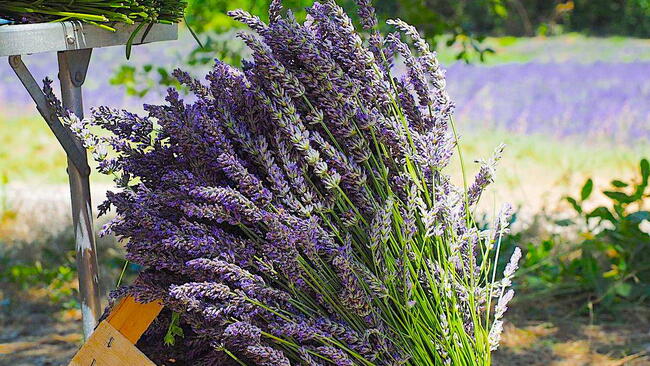
- Lavender: Lavender is a classic companion plant for pincushion flowers. The two plants complement each other's colors and attract pollinators.
- Yarrow: Yarrow is another good choice for companion plants for pincushion flowers. It is drought-tolerant and attracts pollinators.

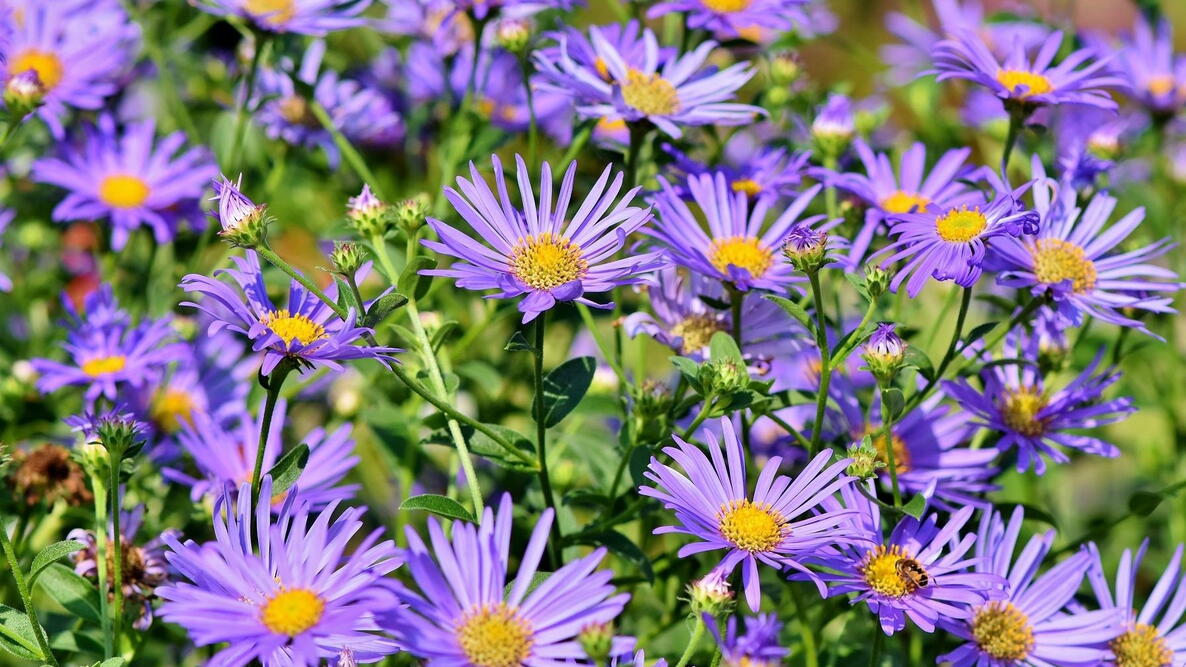
- Aster: Asters are a popular choice for companion plants for pincushion flowers. They bloom at the same time as pincushion flowers and attract pollinators.
- Salvia: Salvia is a good choice for companion plants for pincushion flowers in hot, dry climates. It attracts pollinators and helps to deter pests.
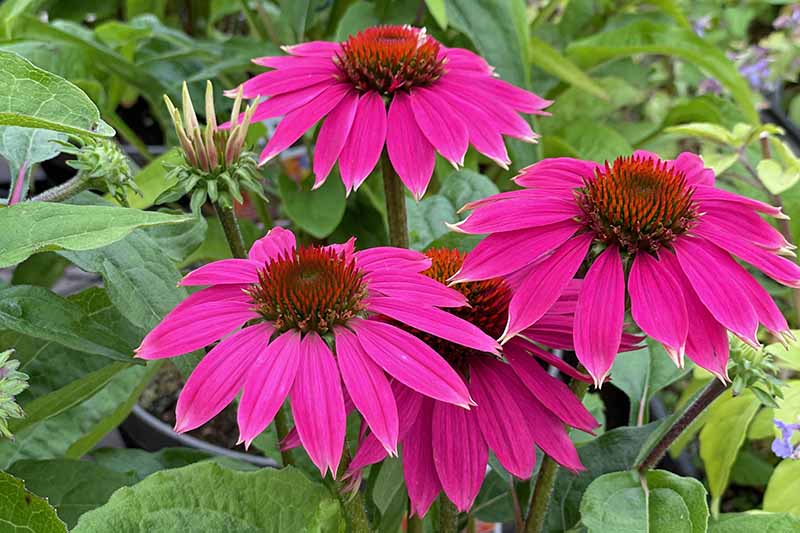
- Coneflower: Coneflowers are a good choice for companion plants for pincushion flowers in sunny, well-drained soil. They attract pollinators and help to deter pests.
Question 2: What are the benefits of planting pincushion flower companion plants?
Answer: There are several benefits to planting pincushion flower companion plants. These benefits include:
- Attracting pollinators: Pincushion flowers and their companion plants attract pollinators such as bees, butterflies, and hummingbirds. These pollinators help to pollinate other plants in the garden, which can lead to a more bountiful harvest.
- Deterring pests: Some pincushion flower companion plants, such as yarrow and lavender, help to deter pests. This can help to keep your garden healthier and reduce the need for pesticides.
- Improving soil quality: Some pincushion flower companion plants, such as aster and coneflower, help to improve soil quality. This can make the soil more fertile and better able to support plant growth.
- Adding color and interest: Pincushion flower companion plants can add color and interest to the garden. This can help to create a more visually appealing garden.
Question 3: How far apart should pincushion flower companion plants be planted?
Answer: The distance between pincushion flower companion plants will depend on the size of the plants. In general, you should plant pincushion flower companion plants about 12 to 18 inches apart. This will give the plants enough space to grow and spread.
Question 4: When should I plant pincushion flower companion plants?
Answer: Pincushion flower companion plants can be planted in the spring or fall. If you live in a warm climate, you can also plant them in the summer.
Question 5: How do I care for pincushion flower companion plants?
Answer: Pincushion flower companion plants are relatively easy to care for. They need full sun and well-drained soil. They should be watered regularly, but not too much. Pincushion flower companion plants are also susceptible to powdery mildew, so you should monitor them for signs of this disease.
Image of pincushion flower companion plants
5 different images of pincushion flower companion plants from Pinterest:
- Yarrow: Yarrow is a tall, airy plant that blooms in shades of white, yellow, and pink. It attracts butterflies and other pollinators, and it helps to deter pests.
- Echinacea: Echinacea is another tall, spiky plant that blooms in shades of pink, purple, and white. It is known for its medicinal properties, and it also attracts butterflies and other pollinators.
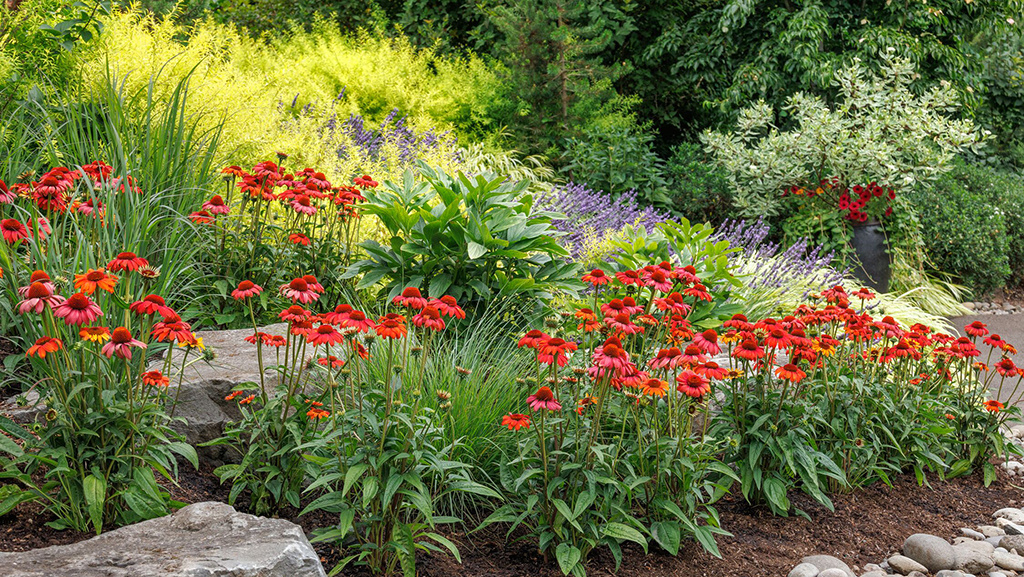
- Coreopsis: Coreopsis is a low-growing plant that blooms in shades of yellow, orange, and red. It is drought-tolerant and easy to care for, and it makes a good groundcover.
- Salvia: Salvia is a tall, bushy plant that blooms in shades of blue, purple, and white. It attracts hummingbirds and butterflies, and it can be used as an edging plant or in a container garden.
- Lavender: Lavender is a low-growing plant that blooms in shades of purple, blue, and white. It is known for its calming fragrance, and it can be used to deter pests.

Post a Comment for " Stunning Companion Plants For Pincushion Flowers"